
How Pet Trusts Protect Animals After an Owner's Passing
April 8, 2026
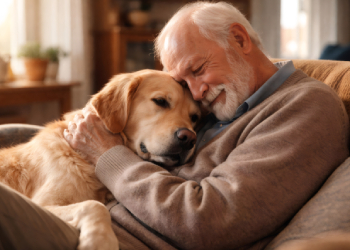 For many, pets are more than animals—they’re family. The bond you share with your pet is rooted in daily care, companionship, and trust. Imagining a future where you’re no longer there for them can feel overwhelming.
It’s natural to worry about whether they’ll receive the same level of care, whether their needs will be met, and whether they’ll feel secure in a new environment. These concerns are valid, and planning ahead can provide peace of mind and reassurance for both you and your beloved pet.
At the Law Offices of Julie A. Schejbal, CHTD, we work with individuals who want to protect every member of their family—including their pets. From our office in Dunkirk, Maryland, we serve Calvert County, Prince George’s County, Charles County, and St. Mary’s County.
Through trust law tools like pet trusts, we help clients establish clear, lasting plans for their pets' care. If safeguarding your pet's future has been on your mind, now is the perfect time to act. Contact us today to get started.
What a Pet Trust Does and Why It Matters
A pet trust is a legal arrangement that allows you to set aside funds and instructions for your pet's care after your passing or incapacity. In trust law, this type of trust gives you the ability to name a caregiver, allocate financial resources, and outline detailed care instructions that must be followed.
Unlike informal arrangements, where a friend or family member simply agrees to take in your pet, a pet trust creates a legally enforceable plan. This means the person responsible for your pet’s care is held accountable for following your wishes. It also provides financial support so that your pet’s needs don’t become a burden on someone else.
Pet trusts matter because they remove uncertainty. Instead of leaving your pet’s future up to chance, you create a structured plan that reflects how much you care. Trust law supports this type of planning by giving you the tools to protect your pet’s well-being in a meaningful way.
Working with our experienced attorney can help you design a pet trust tailored to your pet’s specific needs, including dietary requirements, medical care, and daily routines.
How Trust Law Supports Long-Term Animal Care
Trust law plays a central part in making pet trusts effective. It provides the legal foundation to transfer funds, appoint a trustee, and establish enforceable care instructions for your pet.
When you create a pet trust, you typically name two key individuals: a caregiver and a trustee. The caregiver is the person who will physically care for your pet, while the trustee manages the funds and oversees their use. This separation of responsibilities helps create accountability and transparency.
For example, the trustee can monitor whether the caregiver is following the instructions outlined in the trust. If concerns arise, the trustee has the authority to step in and address them. This structure helps protect your pet from neglect or misuse of funds.
Trust law also allows you to define how long the trust will last, which is usually tied to the lifespan of your pet. Once your pet passes away, any remaining funds can be distributed according to your instructions. By using trust law in this way, you create a system that supports your pet’s care over time, rather than relying on informal promises or assumptions.
Key Elements of a Well-Structured Pet Trust
Creating a pet trust involves more than simply naming a caregiver. It requires thoughtful planning and attention to detail to make sure your pet’s needs are fully addressed.
Below are some of the most important components to include in a pet trust:
Caregiver designation: Choose a trusted individual who’s willing and able to provide daily care for your pet.
Trustee appointment: Name someone to manage the funds and oversee how they’re used for your pet’s benefit.
Detailed care instructions: Include information about feeding, medical care, grooming, exercise, and any special needs your pet may have.
Funding provisions: Set aside sufficient resources to cover your pet’s lifetime care, including unexpected expenses.
Contingency plans: Identify backup caregivers and trustees in case your first choices are unavailable.
These elements work together to create a comprehensive plan for your pet’s future. Trust law allows you to structure these details to provide clarity and accountability. By taking the time to include these key features, you can feel more confident that your pet will be cared for as you wish.
Common Misconceptions About Pet Trusts
Many people assume that pet trusts are unnecessary or only for those with significant financial resources. In reality, pet trusts can be beneficial for anyone who wants to provide clear instructions and financial support for their pet’s care.
One common misconception is that a simple verbal agreement or note in a will is enough. While these approaches may express your wishes, they don’t carry the same legal weight as a pet trust. Without the structure provided by trust law, there’s no guarantee that your instructions will be followed.
Another misconception is that pet trusts are difficult to set up. While they do require planning, working with an experienced lawyer can make the process straightforward and manageable. The goal is to create a plan that reflects your priorities without unnecessary complications.
Some people also believe that family members will automatically step in to care for their pets. While this may be true in some cases, it’s not something you can rely on without clear arrangements. A pet trust removes uncertainty and provides a defined plan.
Moving Forward With Compassion Through Trust Law
It’s never easy to think about a time when you may not be there for your pet. The connection you share is meaningful, and the idea of leaving their future uncertain can be difficult to face. Still, taking steps now can provide comfort and clarity for you and those who may care for your pet in the future.
At Law Offices of Julie A. Schejbal, CHTD, in Dunkirk, Maryland, serving Calvert County, Prince George’s County, Charles County, and St. Mary’s County, we work with clients who want to protect every aspect of their lives—including their pets. We help individuals create plans that reflect their care, compassion, and priorities. Thinking about protecting your pet’s future? Reach out to us today to create a plan that gives you confidence.