
Choosing a Trustee for Your Pet's Future Care
Sept. 29, 2026
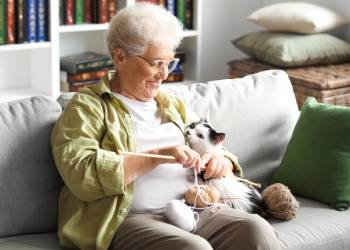 The best trustee for your pet's future care is someone who is financially responsible, geographically practical, and genuinely willing to oversee your animal's well-being. They aren't necessarily the same person who will care for your pet day-to-day.
Under Maryland law, a pet trust can provide for your animal's care and designate who will carry out your wishes. You can structure the arrangement so one person manages the trust while another provides your pet's day-to-day care.
If you're like most pet owners, the thought of your dog or cat outliving your ability to care for them is unsettling. A pet trust solves that problem on paper, but it's only as strong as the person managing it.
At the Law Offices of Julie A. Schejbal, CHTD based in Dunkirk, Maryland, we help pet owners think through the practical details of protecting their animals as part of a broader estate plan. Choosing the right trustee is one of those decisions. If you're considering a pet trust or need help updating your estate plan, we can help you create a plan that reflects your wishes for your pet's future. Contact us to schedule a free consultation.
What Does a Pet Trustee Do?
A pet trustee isn't the same as a caregiver. The caregiver is the person your pet lives with day to day: the one who feeds them, walks them, and takes them to the vet. The trustee holds and manages the funds you set aside for your pet's care and makes sure it's spent as you intended.
In many pet trusts, the same person fills both roles, and that can work well for a straightforward situation. But separating the roles can provide an additional layer of oversight. The trustee can focus on administering the funds while the caregiver focuses on your pet's daily needs. Depending on the terms of the trust, a trustee's responsibilities may include:
Holding and, when appropriate, investing the funds you've set aside for your pet
Paying the caregiver and approved expenses, such as food, veterinary bills, grooming, and boarding
Keeping records of how trust funds are spent
Helping implement the trust's backup arrangements if the named caregiver can no longer provide care
Working with a person appointed to enforce the trust, if you've named one, to make sure your instructions are honored
Our Maryland pet trust attorney can help you structure your pet trust and determine how the trustee and caregiver roles should work together. We can also help you identify the instructions and responsibilities to address in the trust so your pet's care and the funds supporting it are clearly planned for.
Qualities to Look for in a Pet Trustee
Not everyone who loves your pet is equipped to manage a trust for them. Consider the following qualities before naming someone to the role.
Financial responsibility: Your trustee will handle real money over what could be many years, especially if your pet has a long lifespan, such as a parrot or tortoise. Look for someone who manages their own finances well and understands the basics of budgeting and record-keeping.
Reliability and follow-through: A trustee who means well but is disorganized or hard to reach isn't much help to your pet. Choose someone who responds promptly, keeps commitments, and won't let the trust's administration slide.
A degree of separation from the caregiver: If you're naming a different person as caregiver, your trustee should be comfortable holding that caregiver accountable, even if they're a mutual friend or family member. That can be awkward, so choose someone who won't shy away from it.
Longevity and availability: Pets can live for many years, so choose a trustee who is likely to remain available for as long as your pet may need care. Always name a successor trustee in case your first choice can't serve.
Willingness to serve: Never assume someone is willing to take on this role. Have a direct conversation before you name them in your trust documents.
Should You Choose an Individual, Professional, or Institutional Trustee?
You generally have three options when choosing who will manage your pet's trust: an individual, professional, or institutional trustee. Each has different advantages, depending on your preferences, the size of the trust, and the level of professional oversight you want.
A family member or friend often makes sense for smaller, simpler trusts. They likely already know and care about your pet, and the arrangement may cost less than hiring a professional trustee. The tradeoff is that an individual may lack financial or administrative experience, and their own life circumstances can change unpredictably.
A professional trustee can bring experience with financial management and trust administration. This option tends to work well for larger trusts or pets with significant, ongoing care needs. Professional trustees generally charge fees for their services, which is worth weighing against the size and complexity of the trust you're funding.
A corporate or institutional trustee can provide continuity that does not depend on one person's availability. A bank or trust company may be equipped to manage assets and handle ongoing trust administration, making this option worth considering when you want a more formal structure.
Our Maryland estate planning lawyer can help you evaluate these options based on your pet's needs, the assets you plan to set aside, and the overall structure of your estate plan. We can help you put the appropriate trustee arrangements and instructions into your pet trust, so the person or institution you choose has clear guidance to follow.
How Maryland Law Treats Pet Trusts
Maryland recognizes statutory pet trusts. You can create a trust to provide for the care of an animal that is alive during your lifetime. A trust for one animal terminates when that animal dies, while a trust covering multiple animals terminates when the last surviving animal dies.
A pet trust may be enforced by a person appointed under the trust. If no one is appointed, the court may appoint someone to enforce it. A person with an interest in the animal's welfare may also ask the court to appoint or remove the person responsible for enforcing the trust.
Maryland limits how trust property may be used. Except to the extent a court determines that the trust's value exceeds the amount required for its intended purpose, trust property may be applied only to that intended purpose. Property not required for the intended purpose is distributed according to the trust's terms. If the trust does not provide otherwise, it will go to the settlor if living or to the settlor's successors in interest if the settlor is deceased.
This framework gives pet owners considerable flexibility. However, naming the right people, identifying the purpose of the trust, and spelling out your wishes for your pet's care can affect how smoothly the trust operates when it's needed.
Contact Our Maryland Estate Planning Attorney for Help Establishing a Pet Trust
Choosing a trustee is a decision worth making carefully and revisiting periodically, especially as your pet's needs, your finances, or your trustee's circumstances change. A well-drafted pet trust, paired with a trustee and caregiver you genuinely trust, can help provide a clear plan for your pet's care if you can no longer provide it yourself.
At the Law Offices of Julie A. Schejbal, CHTD, our attorney can help you create a pet trust or review an existing estate plan to make sure your pet is included. Located in Dunkirk, Maryland, we serve pet owners throughout Calvert County, Prince George's County, Charles County, and St. Mary's County. Reach out today to schedule a free consultation.